
Guide dogs are more than just loyal companions; they are vital partners in navigating the world for those with visual impairments. Training these remarkable animals is a journey filled with dedication, patience, and understanding. However, this process is not without its pitfalls. Many aspiring trainers or handlers may unknowingly fall into common traps that can hinder the bond between them and their guide dog.
Understanding the nuances of guide dog training is crucial to ensuring success. Misconceptions abound about what it takes to train these intelligent beings effectively. By shedding light on common mistakes made during training, we can empower both trainers and dogs alike to thrive together as a cohesive unit.
Let’s dive deeper into some prevalent misconceptions surrounding guide dogs before exploring the top five mistakes that could impede your journey toward successful training.
Common Misconceptions About Guide Dogs
guide dog training are often misunderstood. Many people think they’re just pets in harnesses, but they’re highly trained assistance animals. Their primary role is to help visually impaired individuals navigate their surroundings safely.
Another common misconception is that all guide dogs look the same. While Labrador Retrievers are popular choices, many breeds can become service animals, including Golden Retrievers and German Shepherds. Each dog has its unique traits that make them suited for this important work.
Some believe guide dogs must be approached and petted while on duty. This can distract them from their tasks and disrupt the bond with their handler. Respecting a guide dog’s space when they’re wearing their harness is crucial for maintaining focus.
Moreover, there’s a myth that once trained, these dogs don’t need ongoing support or training themselves. In reality, both the handler and the dog benefit from continuous practice to strengthen skills over time.
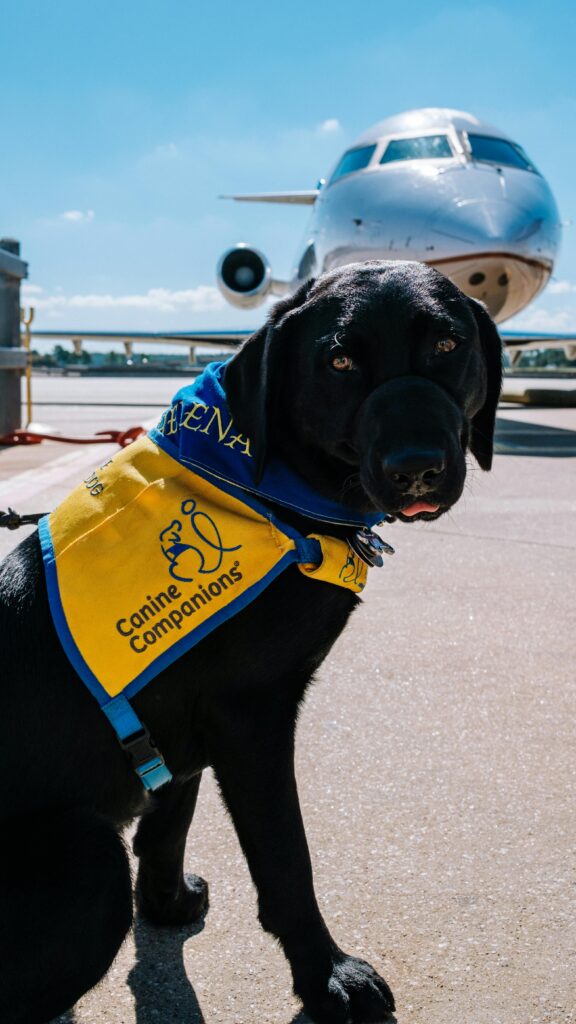
Top 5 Mistakes in Guide Dog Training
Training a guide dog is a rewarding journey, but it comes with its challenges. Many trainers make avoidable mistakes that can hinder both the dog’s development and the partnership.
One common pitfall is relying too much on punitive measures. Positive reinforcement works wonders in building trust and encouraging desired behaviors.
Another frequent error involves skipping socialization opportunities. Guide dogs need exposure to various environments, sounds, and people to develop confidence and adaptability.
Some trainers underestimate the importance of clear communication. Consistency in commands ensures that your dog understands expectations without confusion.
Additionally, neglecting physical exercise can lead to excess energy or behavioral issues. A well-exercised dog is more focused during training sessions.
Failing to adapt training methods for individual needs often leads to frustration for both trainer and pup. Every guide dog has unique traits; understanding those differences is key for success.
Lack of Consistency and Patience
Training a guide dog requires consistency in commands and rewards. When handlers are inconsistent, dogs become confused. They start to question what is expected of them.
Patience plays a crucial role too. Training isn’t an overnight process. It takes time for dogs to grasp new skills or correct unwanted behaviors. Rushing through lessons can lead to frustration for both the trainer and the dog.
Handlers should establish a routine that reinforces learning in manageable segments. Celebrating small victories builds confidence while promoting further progress.
Remember, every dog learns at their own pace. What works for one may not work for another, so flexibility is key within your training regimen. Emphasizing steady guidance fosters trust between you and your future partner on this journey together.
Not Understanding the Breed and Individual Needs
When it comes to training guide dogs, understanding the breed and individual needs is crucial. Each breed has unique characteristics that influence their behavior and learning style. For example, Labrador Retrievers are often favored for their friendly nature and intelligence. However, not all Labs will respond the same way during training.
It’s essential to recognize that every dog is an individual with its own personality traits and quirks. What works for one guide dog may not work for another. Tailoring your approach based on the dog’s specific needs can make a significant difference in their development.
Training methods should also consider any past experiences or challenges the dog may have faced before entering training programs. A rescue dog might require a different strategy than one raised specifically for this purpose.
Being aware of these factors will help foster a strong bond between trainer and pup while enhancing communication skills needed in real-world situations. This allows both parties to thrive together as they navigate life’s challenges effectively.
By avoiding common mistakes and emphasizing understanding, you set both yourself and your future guide dog up for success on this rewarding journey ahead.