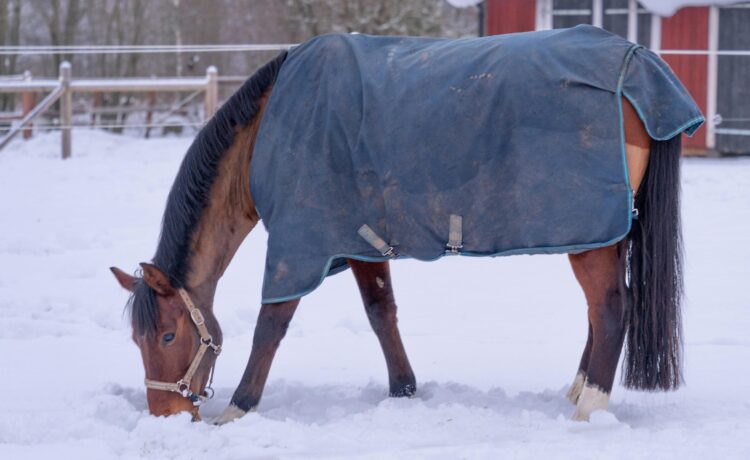
Winter can be a magical time of year, with frosty mornings and the soft crunch of snow underfoot. For horse owners, however, it brings unique challenges that require attention and care. As temperatures drop and conditions change, ensuring your equine friend remains comfortable is essential.
Horses are resilient creatures equipped to handle various climates. Still, they need support from their human caretakers during harsh winter months. This article delves into practical tips for keeping horses cozy while maintaining their health and happiness throughout the season. From understanding their natural adaptations to providing proper shelter and nutrition, let’s explore how we can help our horses thrive when winter settles in.
Importance of Proper Winter Care for Horses
durable winter horse rugs for cold weather is essential to their health and well-being. The cold months can be harsh, and neglecting their needs can lead to serious issues.
When temperatures drop, horses require adequate shelter from wind and precipitation. A dry place keeps them warm and minimizes stress on their bodies.
Nutrition plays a critical role during winter. Horses burn more calories to maintain body heat, so providing the right diet becomes vital. High-quality hay can help keep them energized.
Regular exercise remains important even in colder weather. Movement encourages circulation and helps prevent stiffness or weight gain.
Additionally, proper grooming ensures that sweat doesn’t freeze against their skin after exercise. It also promotes good skin health by removing debris trapped in thick winter coats.
Taking these steps will greatly enhance your horse’s comfort through the frosty season ahead.
Understanding a Horse’s Natural Winter Adaptations
Horses are remarkable creatures, equipped with natural instincts to withstand cold weather. As winter approaches, their bodies undergo significant changes.
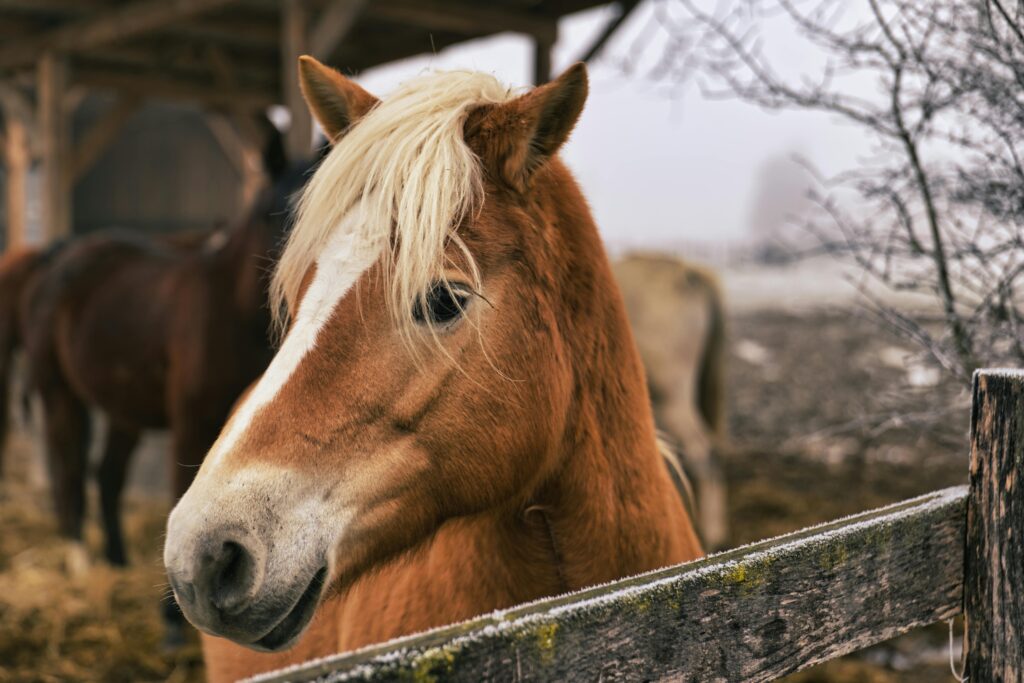
The first adaptation is the growth of a thicker coat. This dense layer acts as insulation, trapping warmth and protecting them from harsh winds and freezing temperatures.
Additionally, horses have an innate ability to regulate their body temperature. They can generate heat through increased metabolism when they consume more forage during colder months.
Their behavior also shifts in winter. Horses tend to seek shelter and huddle together for added warmth. This social instinct not only keeps them cozy but also fosters bonds within the herd.
Understanding these adaptations helps horse owners provide appropriate care and support during chilly seasons. By recognizing how horses naturally cope with winter elements, you can ensure their comfort and well-being throughout this challenging time.
Shelter and Bedding for Horses in the Winter
Providing adequate shelter is crucial for horses during winter months. A well-constructed barn or stable offers protection from harsh winds, snow, and rain. Ensure that it has proper ventilation to maintain air quality without creating drafts.
Bedding plays a vital role in keeping your horse comfortable. Opt for straw or wood shavings as they provide excellent insulation against cold ground surfaces. Regularly clean the bedding to prevent moisture buildup and ensure a healthy environment.
Consider using hay nets hung inside shelters to keep feed off the ground. This not only helps reduce waste but also encourages natural grazing behavior even when it’s chilly outside.
A sheltered area with ample space allows social interaction among horses, which can enhance their overall mood during dreary winter days. Remember that a happy horse is often more resilient against the rigors of colder weather conditions.
Feeding and Nutrition for Horses in the Winter
When it comes to feeding horses during the winter months, nutrition plays a vital role in their wellbeing. A horse’s energy needs increase when temperatures drop. This is due to the extra effort required for maintaining body heat. For this reason, it’s crucial to adjust their diet accordingly.
Start by increasing the hay portion of their feed. High-quality grass or alfalfa hay can provide essential fiber and warmth. It’s beneficial for digestion and helps keep them warm as they process food.
If your horse requires additional calories, consider adding grains or specially formulated feeds designed for cold weather conditions. These feeds are often higher in fat and protein content, which provides more energy without increasing bulk too much.
Always ensure fresh water is available at all times. Horses tend to drink less when it’s cold outside, leading to potential dehydration issues if they don’t have access to unfrozen water sources.
Monitoring your horse’s condition throughout winter will help you make any necessary adjustments in their diet based on activity level and overall health status. Regularly check their weight and coat condition as indicators of how well they’re coping with colder temperatures.
With proper care regarding shelter, bedding, and nutrition tailored specifically for winter seasons, you can help ensure that your horses remain healthy and comfortable throughout these chilly months ahead.