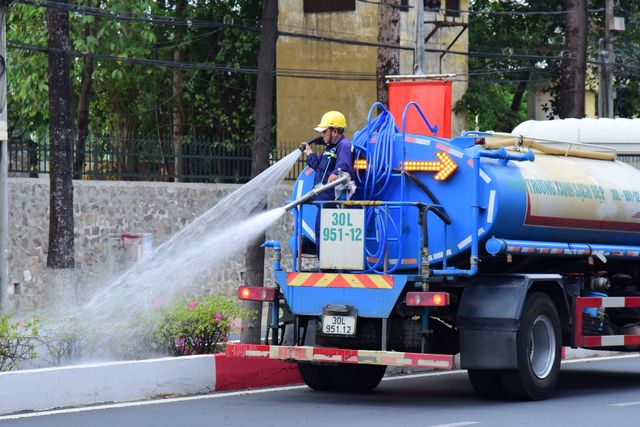
Melbourne’s annual Spring Clean Campaign brings some attention to a job that never really stops, keeping the city looking its best. The thing is, street cleaning Melbourne isn’t really a single operation with a single team and one schedule; it’s a whole web of different services all working in tandem. You’ve got multiple councils, their own distinct programs, plus commercial contractors who handle sites the councils don’t cover, and a community reporting system that helps trigger a response. Understanding all these different layers at work explains both why Melbourne’s streets are pretty tidy most of the time and where the gaps are.
What Council Street Cleaning Covers?
The City of Melbourne does a daily street clean in the central part of the city, with the high-use areas getting swept multiple times a day. But it’s more than just sweeping, litter removal, collecting dumped rubbish, managing abandoned shopping trolleys, and dealing with hazardous waste all come under the council’s service umbrella.
The City of Port Phillip runs a residential street cleaning program on a four-week cycle, both mechanically and manually, 24/7. The commercial areas get extra attention, with some streets getting swept three times a week and others daily. One thing the standard program can’t handle is autumn leaf season, when 32,500 trees across 530 streets start dropping leaves, from late April to mid-July, to be precise.
The Real Cost of Illegal Dumping on Melbourne’s Street Cleaning Budget
Port Phillip gets rid of around 50 60 tonnes of dumped waste from its streets every month. That includes around 360 mattresses on average. Council teams deal with over 5,900 dumped rubbish reports every year, everything from furniture to construction waste. And then there’s the recycling, they manage to recycle about 70% of all the dumped material, all in the background, of course.
The cost recovery model relies on catching the people who are doing the dumping, so they can recover the costs and fine them up to $9,900 under the Environmental Protection Act 2017. The best way to get action taken is for the community to report the dumped material.
How Private Street Cleaning Fills the Gaps?
Councils cover public roads and spaces. Private car parks, commercial precincts and construction sites, on the other hand, are contractor territory. Lots of time, places like retail strips and hospitality zones in Melbourne’s inner suburbs hire private cleaners on top of the council’s regular schedule, because the council frequency just isn’t enough to keep them looking their best during peak trading times.
Just bin cleaning is a good example of where the private and council services overlap. Private bin cleaners will often work alongside the council during the Spring Clean programs, taking care of jobs the council can’t or won’t do. Then there are construction sites, where the EPA requires them to manage dust and debris; it’s not just a matter of keeping the streets clean, it’s about compliance.
How Street Cleaning in Melbourne Relates to Drainage and the Environment?
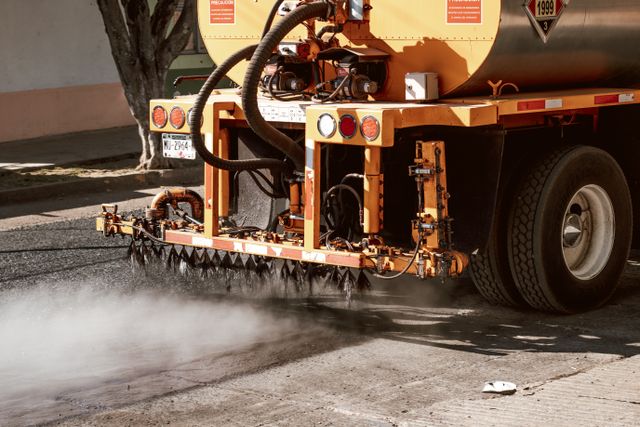
Grinding occurs continually due to the residue on the asphalt, resulting in wear to the roadways, and necessitating early resurfacing to avoid expenses that will end up in the council’s budget. The prevention of blockages of stormwater inlets prepares Melbourne for rainfall in a manner that is quick and severe.
Being in the catchment of Port Phillip Bay makes it clear that the interception of materials near the kerbs is the prevention of these materials getting into the waterways. Every street sweeping that ensures that the side entry pits and the gutters are free becomes a reduction in the sediment and nutrient load that would have otherwise reached the waterways downstream.