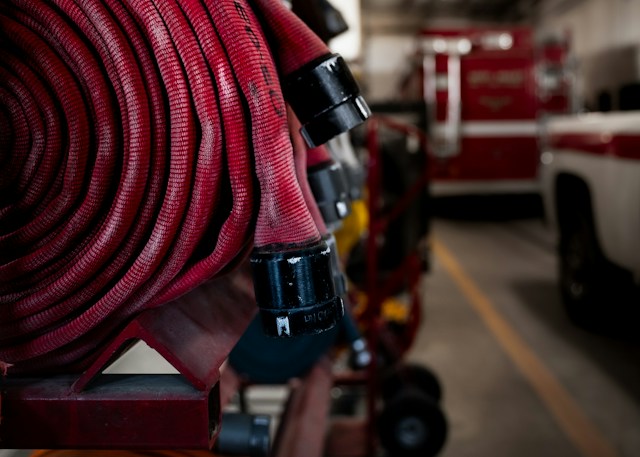
Even the best-trained firefighters need some time to get there, get their truck stopped and their hoses connected up. But in the few minutes before they arrive, a bin fire or an electrical spark can develop into something much more dangerous. The damage done before help comes depends on what happens during that time. That is when the value of a fire hose reel becomes apparent.
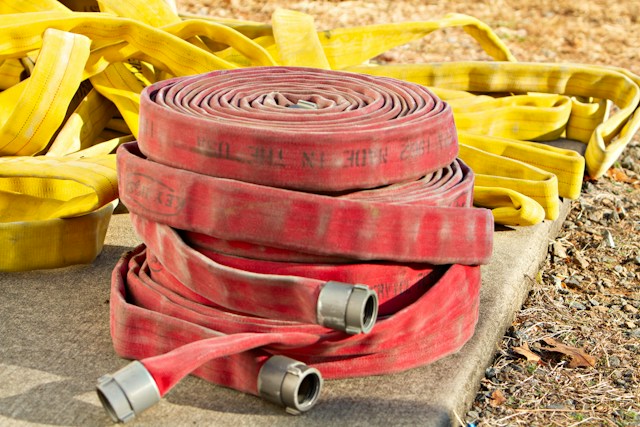
What Fire Hose Reels Do Before the Firefighters Arrive?
Fire hose reels allow occupants who are trained to use them to put out any developing fire at the earliest stage. Installed in wall units or cabinet units through fire hose reel installation, the fire hose reels tap directly into the water supply system of the building. Used properly, they will allow occupants to apply a constant flow of water for as long as the water lasts.
Extinguishers are only effective for limited periods, while hydrants are only suitable for providing large flows of water for professional firefighters. Fire hose reels are somewhere in between.
Water should not be applied to fires of fat or cooking oils, where it could cause a massive flare-up. Also, water is inappropriate for electrical fires except in the case of isolation of the current.
Placement, Coverage and Water Supply
It all comes down to location; if the building ends up being somewhere that a hose reel is never used, then that’s the whole point of deciding whether it needs one. The National Construction Code makes it clear under what circumstances you need a hose reel, and Australian Standard AS 2441 has the details on installation, so do make sure you’ve got that covered. Coverage is also planned out, making sure you can reach every area of every floor with the hose.
When a new job comes along, installers will be thinking about a number of different things, including:
- Making sure there’s a clear path to the exits so people can get out quickly.
- Testing the water pressure and flow at the furthest point the hose will be used.
- Making sure there’s easy access and no obstacles such as pallets or stock in the way.
- Installing clear and visible signs that people can spot quickly under stress.
Low water pressure is a common problem in old buildings and on upper floors, and in some cases you might need to install a booster pump as part of the job.
Which Buildings Really Need Them?
It all depends on the building, as well as what the state rules are; there might also be some exemptions to consider. Lots of factories, warehouses and commercial buildings need hose reels, but other buildings might have different fire safety measures in place; a fire safety engineer or certifier will be able to tell you what applies to your specific building.
You’d be surprised how often changes of use can trigger new fire safety obligations; a warehouse converted into a gym or shop could trigger a whole new set of rules, for example, and renovations can also make existing hoses unusable.
Down in Victoria, hose reels are seen as an essential safety measure and you’ll need to make sure they are properly maintained, while in New South Wales you are required to submit an annual fire safety statement to confirm that all your safety measures are still working properly.
Maintenance Starts the Day You’ve Finished Installation
You’d be amazed at how many hose reels just sit there untouched for years, only to fail when you really need them to work. Routine inspection and testing schedules are set out in Australian Standard AS 1851; basically, that involves unrolling the hose, having a look for any cracks, and making sure water is actually flowing through it.
Some of the most common faults we find are:
- Hoses that have got all kinked up or perished with age.
- Leaking valves or nozzles that are stiff and hard to move.
- Missing or faded signage; you can’t expect people to know what to do if you haven’t told them.
- Stock or other obstructions piled up in front of the reel.
You should be keeping a record of every time you have the hose reel serviced; those records will come in handy in case of audits, insurance claims or investigations after a fire.
Teaching People to Use Them Safely
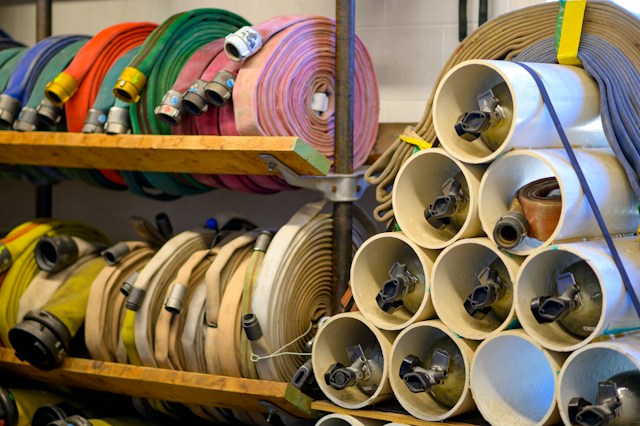
The equipment only works as well as the person operating it, so you need to make sure your staff are confident and comfortable using it. We often see people who have never touched a hose reel before and are hesitant to use it, or others who are worried they might make things worse.
Well, under workplace safety laws you do have to have emergency plans in place and train your workers in them, and a short practical session can go a long way in giving staff some confidence. Staff need to learn how to open the valve, unroll the hose properly and aim at the base of the flames.
It’s just as important to know when not to fight a fire; you need to be able to tell when it’s spreading smoke, is larger than a small bin, is fat or oil-based, involves live electrical equipment or a blocked exit; in all of these cases it’s time to get out and call triple zero. A hose reel might buy you some time, but it’s never worth risking the people inside the building.