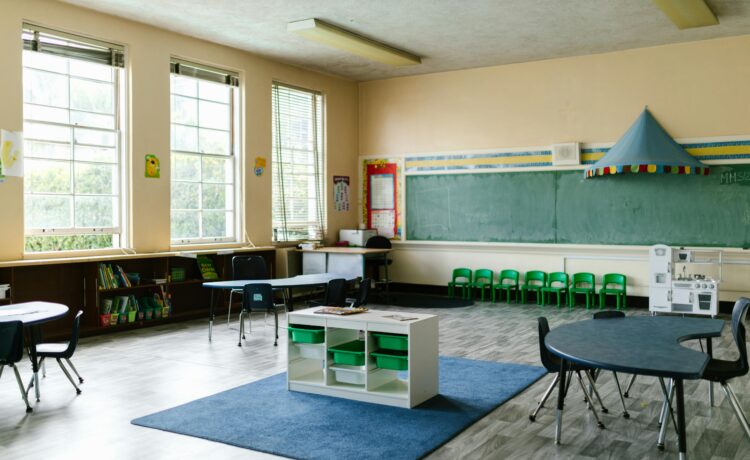
Creating an effective learning environment goes beyond the books and technology. The furniture plays a pivotal role in shaping how students interact, engage, and absorb knowledge. Imagine chairs that withstand countless hours of use or tables designed to foster collaboration among peers. Durable furniture is not just about longevity; it’s about enhancing the entire educational experience.
As schools and educational institutions strive for excellence, choosing robust furniture becomes crucial. It sets the stage for creativity, focus, and comfort. This blog will explore why durability matters in learning spaces while providing insights on selecting the right pieces to transform classrooms into thriving hubs of activity. Let’s dive into what makes durable furniture essential for fostering better learning outcomes!
The Importance of Durable Furniture in Learning Spaces
Durable school furniture is a cornerstone of effective learning environments. It withstands the wear and tear that comes with daily use, ensuring that classrooms remain functional year after year.
When students feel comfortable and supported by their surroundings, they can focus better on their studies. Sturdy desks and chairs contribute to an atmosphere conducive to learning, reducing distractions caused by broken or uncomfortable furniture.
Moreover, durable pieces often require less maintenance and fewer replacements. This not only saves money in the long run but also minimizes disruptions during the school year.
Eco-friendliness is another consideration; investing in high-quality materials often means less waste ends up in landfills. Schools committed to sustainability can make a positive impact while enhancing their educational spaces.
Choosing durable furniture sets a strong foundation for both teaching and learning experiences, creating an environment where creativity flourishes.
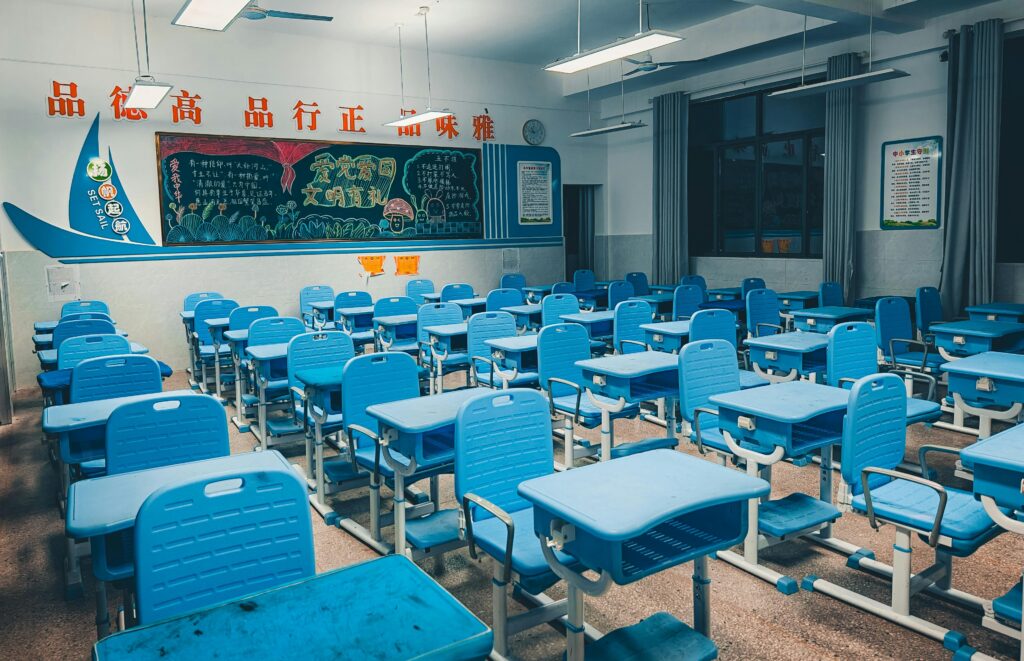
Factors to Consider when Choosing Durable Furniture
When selecting durable furniture for learning spaces, several key factors come into play. First, consider the age group of the students. Younger children require sturdier pieces that can withstand rough handling.
Think about the size of the space as well. Compact areas benefit from multi-functional furniture that maximizes usability without overcrowding.
Next, evaluate ease of maintenance. Furniture with finishes that resist stains or scratches will save time and effort in upkeep.
Don’t overlook mobility either; items on wheels can facilitate quick rearrangements for various activities.
Prioritize ergonomics. Comfortable seating and appropriately sized desks enhance focus and productivity among learners while ensuring their well-being throughout long study sessions.
Materials that Offer Durability and Functionality
When selecting furniture for learning spaces, materials play a crucial role in durability and functionality. High-pressure laminate surfaces are popular choices due to their resilience against scratches and stains. They offer easy maintenance while maintaining an attractive appearance.
Metal frames provide exceptional strength and stability, making them ideal for chairs and desks that endure daily use. Powder-coated finishes add a layer of protection against corrosion, ensuring longevity.
Wood is another timeless option. When treated with proper sealants, hardwood can withstand wear while adding warmth to the environment. Bamboo has emerged as a sustainable choice; it’s both sturdy and eco-friendly.
For upholstery, consider vinyl or high-performance fabrics that resist tears and spills. These materials not only enhance comfort but also simplify cleaning routines in busy classrooms.
Choosing the right combination of these materials will foster an efficient learning atmosphere where students can thrive without worrying about their surroundings.
Design Tips for Creating a Welcoming and Durable Learning Space
Creating a welcoming learning space starts with thoughtful design choices. Consider the layout first; open spaces encourage collaboration while designated areas can promote focused study.
Incorporate colors that inspire creativity and calmness. Soft blues and greens are known to enhance concentration, making them ideal for walls or accents.
Furniture should serve dual purposes. Look for items like storage benches or modular desks that adapt as needs change over time.
Lighting plays a crucial role too. Natural light is preferable, but if that’s not an option, opt for warm LED lights to create an inviting atmosphere.
Don’t forget about personal touches—student artwork or plants can make the environment feel more engaging and relatable. A few well-placed rugs can soften hard surfaces, adding comfort without sacrificing durability.
Benefits of Investing in Durable Furniture for Schools and Educational Institutions
Investing in durable furniture for schools and educational institutions carries numerous benefits that extend beyond mere aesthetics. When students sit on sturdy chairs and work at robust desks, they feel valued. This sense of care fosters a positive learning environment.
Durable furniture decreases the need for frequent replacements. Schools often operate under tight budgets, and cutting costs on repairs or new purchases can allow funds to be redirected towards educational programs or resources. Long-lasting pieces also minimize waste, contributing to eco-friendly practices that resonate with today’s environmentally conscious society.
Moreover, quality materials enhance safety in classrooms. Well-designed furniture reduces accidents caused by breakage or instability, allowing teachers to focus on teaching rather than worrying about injuries from damaged items.
The right furniture can support various learning styles too. Flexible seating options encourage collaboration while individual study areas provide space for focused work. Durable designs accommodate different activities without compromising performance over time.
By choosing resilient options, schools invest not only in their physical spaces but also in the future success of their students. A well-furnished classroom sets the stage for effective learning experiences that last a lifetime—making it an investment worth considering seriously.