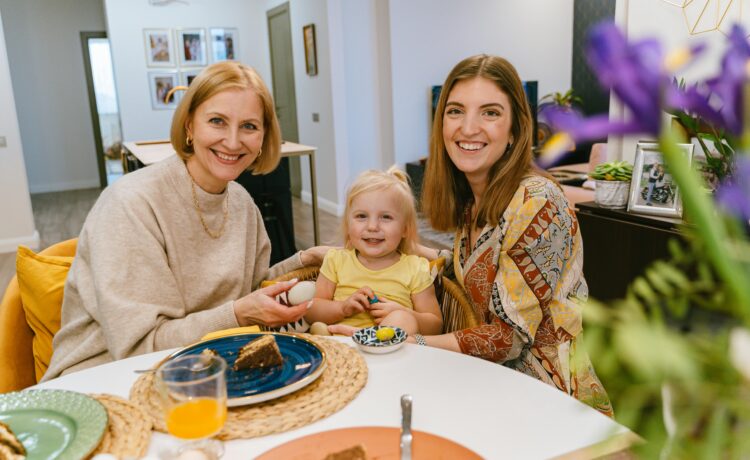
In today’s fast-paced world, the concept of home is evolving. More families are embracing multi-generational living, where grandparents, parents, and children coexist under one roof. This shift isn’t just about convenience; it’s a lifestyle choice rich in culture and connection. The benefits are numerous—stronger family bonds, shared responsibilities, and financial savings top the list.
As you navigate this exciting journey towards cohabitation with loved ones from different generations, the layout of your home becomes crucial. A well-planned two-bedroom design can accommodate everyone comfortably while fostering harmony among residents. Let’s dive into practical layouts that cater to diverse needs and lifestyles—a key element for creating spaces that feel like home for all ages.
The Rise of Multi-Generational Living
The trend of 2 bedroom granny flats by premier homes vic living is on the rise, and it reflects a significant cultural shift. Families are increasingly choosing to live together, breaking away from traditional norms.
Economic factors play a crucial role in this change. Rising housing costs make sharing space an appealing option for many households. Pooling resources can ease financial burdens while fostering tighter family bonds.
Another driving force is the demand for caregiving support. Aging parents often require assistance that their adult children are willing to provide. Living together allows families to share responsibilities seamlessly.
Additionally, emotional connections strengthen when multiple generations coexist under one roof. Children benefit from close relationships with grandparents while gaining valuable life lessons through shared experiences.
This lifestyle promotes collaboration and unity as diverse perspectives converge within a single home environment. As society continues to evolve, so does our understanding of what “home” truly means for modern families.
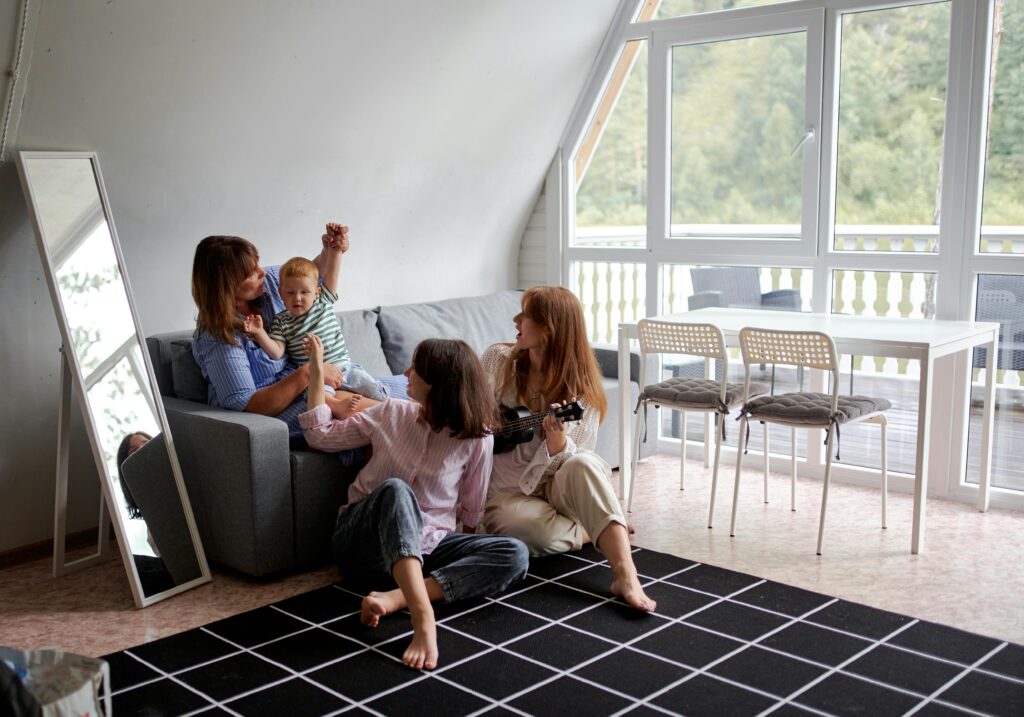
Benefits of Sharing a Home with Multiple Generations
Living with multiple generations creates a rich tapestry of experiences. It fosters strong family bonds that can be hard to cultivate in separate households. Sharing everyday moments strengthens relationships and builds lasting memories.
Economic advantages also play a significant role. Pooling resources can ease financial burdens, making homeownership or renting more manageable for everyone involved. This shared responsibility often leads to better budgeting and savings strategies.
Moreover, having different generations under one roof enhances support systems. Grandparents can offer wisdom while younger members bring energy and fresh ideas into the mix. This dynamic exchange boosts collaboration on everything from childcare to household chores.
Additionally, multi-generational living promotes cultural continuity and tradition sharing. Families can pass down customs, stories, and values directly within their daily lives rather than through occasional visits or gatherings.
Factors to Consider Before Choosing a Two-Bedroom Layout
When selecting a two-bedroom layout for multi-generational living, several factors come into play. First, think about the privacy needs of each generation. Separate entrances or distinct zones can enhance comfort and reduce conflicts.
Next, consider accessibility features. A home that accommodates all ages should have minimal stairs and wide hallways to support mobility.
Additionally, evaluate storage space. Multiple generations often bring various belongings. Ensure there’s enough room for everyone’s necessities without cluttering shared areas.
Natural light is another crucial aspect. Bright spaces foster positivity and well-being but also require thoughtful window placements in your design plan.
Assess your family’s lifestyle habits. Busy schedules might necessitate communal eating areas while also allowing for private retreats when desired. Balancing these elements will lead you to an ideal two-bedroom arrangement tailored for harmonious living.
Types of Two-Bedroom Layouts for Multi-Generational Living
When designing for multi-generational living, two-bedroom layouts can vary widely to accommodate different needs.
One popular option is the dual-master suite layout. This design features two equally-sized bedrooms, each with an en-suite bathroom. It provides privacy and comfort for adult family members.
Another choice is the split-bedroom layout. Here, the bedrooms are located on opposite sides of a shared living space. This arrangement promotes independence while still encouraging family interaction.
The open-concept layout merges the kitchen, dining, and living areas into one fluid space. Perfect for families who enjoy spending time together, it creates a warm atmosphere while keeping things functional.
For those needing flexibility, consider a flex room that can serve as an office or guest bedroom when needed. These adaptable spaces offer versatility without sacrificing style or comfort in your home environment.
Design Tips for Creating Functional and Comfortable Spaces
Creating functional and comfortable spaces in a multi-generational home involves thoughtful design choices. Start by maximizing natural light to enhance the mood of your living areas. Use sheer curtains or blinds that can be adjusted for privacy while still allowing sunlight to stream in.
Consider open floor plans where possible. These layouts promote togetherness, making it easier for family members to interact while also providing designated zones for different activities. Incorporate versatile furniture pieces like fold-out tables or modular sofas that can adapt to various needs.
Storage solutions are crucial in two-bedroom layouts. Opt for built-in shelves, under-bed storage, and multifunctional furniture that doubles as storage space. This keeps common areas organized and clutter-free.
Color schemes play a vital role too; choose calming colors that create a peaceful atmosphere throughout the home. Accent walls with bold hues can add personality without overwhelming the senses.
Don’t forget about accessibility features if needed—wider doorways, non-slip flooring, and grab bars make homes safer for everyone involved. Thoughtful design transforms spaces into havens where generations come together comfortably and harmoniously.