Post-surgical recovery and getting to the clinic just don’t mix. Hip and knee replacement surgeries, the most common ones done on older Aussies, really need some solid physiotherapy ASAP to get you moving again. And you know what the worst part is? Those first few weeks after surgery are exactly when it’s most difficult to get to the clinic. You are in a lot of pain, you can’t drive, you’ve got a wound to look after, and trying to arrange transport is just a hassle that all too often results in sessions being postponed or cancelled.
For those in Heidelberg who are trying to recover from joint replacement surgery, getting the physio Heidelberg to come to your home knocks this problem on the head. The therapist turns up at your place, bringing all the gear, and builds the treatment around the place where you are going to be doing most of your rehab.
What the Physiotherapist Does Differently in a Home Setting?
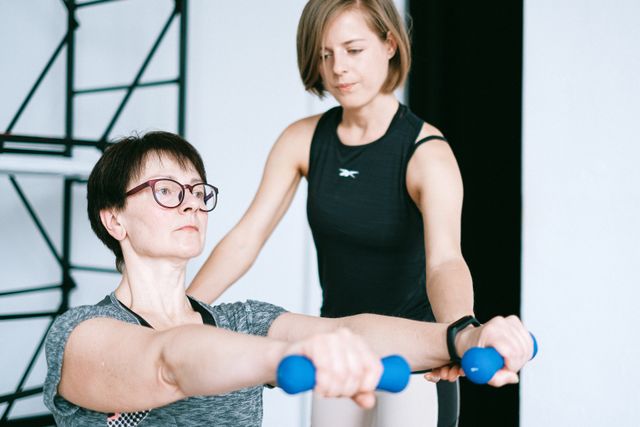
Don’t get it twisted; home-based post-surgical physio is not just a watered-down version of what you would get at the clinic. The physio turns up with a portable treatment table and has all the same skills to do hands-on work, soft tissue massage and guided exercises just like they would in a clinic room. The difference is that the real-world tasks you get to practise are actually the ones you will be doing in real life, getting up and down your own stairs, getting out of the chair you actually use, and navigating your bathroom etc.
Stuff like dry needling, balance retraining and exercise programs can all be done at home and are a normal part of what we do in post-surgical programs for older folks. And if you’ve also got some pressure sore management or swelling issues to deal with, we can sort that out in the one visit which keeps the number of appointments down to a minimum, especially when you are already feeling pretty knackered.
Vestibular Dysfunction: The Condition Behind Many Unexplained Falls
Vestibular dysfunction is frequently attributed to general ageing by the people experiencing it. Dizziness, unsteadiness, and a heightened fear of falling that has no obvious cause often have a specific origin in the inner ear’s balance signalling system, and that origin is treatable. A physiotherapist with vestibular rehabilitation experience can assess the condition using validated tools and treat it through specific repositioning techniques and progressive balance exercises. Because vestibular symptoms are typically worsened by movement, the home setting is particularly appropriate for this treatment; the patient does not need to manage a journey while experiencing dizziness, removing a barrier that keeps many older adults from seeking help at all.
Falls in Heidelberg’s older population are not a background statistic. According to the AIHW, falls were the leading cause of injury hospitalisations in Australia in 2024-25, with people aged 65 and over hospitalised for fall-related injuries at a rate 12 times higher than adults aged 25 to 44. Home-based physiotherapy that addresses the specific environment and specific risk factors of an individual patient is the most targeted response to that risk.
Group Exercise and the Social Dimension of Recovery
Isolation is one of the risks that have been reported for patients who undergo surgery and spend a lot of time recovering. This is caused by the difficulty associated with leaving the house due to pain and fatigue experienced during recovery. Group exercise classes as part of physiotherapy programs will help the patient exercise and at the same time maintain social interaction.
Mobility, balance, and strength training are among the group classes that provide peer support to keep one participating in the exercises in cases where individual motivation is reduced. There is strong evidence that exercise, especially balance and strength training, helps reduce the probability of falling among the elderly. It should be noted that there is no need to replace individual care with group classes. The main benefit is in maintaining exercise on a daily basis in between sessions supervised by a therapist.
Care That Reaches Retirement Villages and Supported Accommodation
Access to physiotherapy care does not change after moving into a retirement village or supported residential care facilities located in the inner north of Heidelberg. In-home providers working in such facilities use the same techniques and tools for conducting individualised physiotherapy assessments and exercise programs. Many families arranging the care for a family member living in such a facility may not know that there is also an in-home physiotherapy service for supported accommodation facility residents. Such services can be accessed independently of any care arranged by a facility. There are different criteria and requirements related to eligibility for Support at Home, DVA, or NDIS services.