Australia has a strong outdoor culture, which includes gardening at home, beach days, and weekend sports. Many individuals enjoy that lifestyle, but it also means that skin awareness needs to be handled seriously. You shouldn’t ignore freckles, moles, or changes in areas for months. This is especially important for those who drive, work outside, or participate in sports.
People can identify what is new, growing, bleeding, crusting, or seeming different from surrounding marks by regularly checking themselves. This gives people an incentive to seek care sooner when something looks strange or persistent, but it does not take the place of a professional assessment. Later discussions with a clinician can be more beneficial if you develop the simple practice of observing changes.
Receiving the Appropriate Check at the Appropriate Time
When someone searches for checking for skin cancer, they frequently want to know if a mark requires attention. For Australians with fair skin, high sun exposure, numerous moles, or a personal or family history of skin cancer, a professional skin examination can offer a more accurate assessment. Asking now is preferable to continuing to wonder if a changing mark is safe.
Making a note of when the area first appeared, whether it has changed, and whether there are any symptoms like itching, pain, or bleeding will help you get ready for the visit. When a shift has occurred gradually over a period of weeks or months, photos might also be helpful. Instead of focusing on a single instance, the clinician can better comprehend the pattern by providing explicit information.
What to anticipate from a skin review
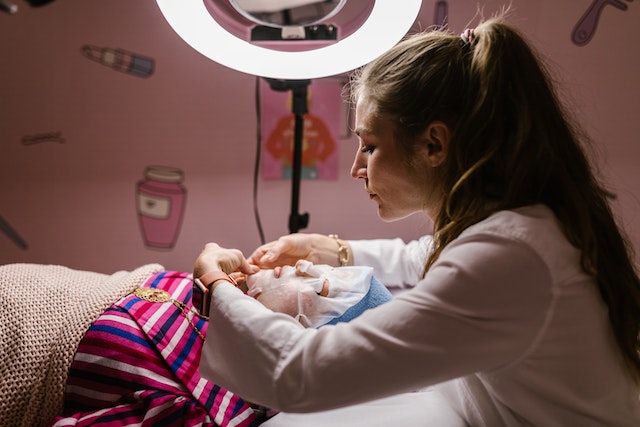
In most cases, a skin check is simple. In addition to examining sun-exposed areas, the clinician may utilise a dermatoscope to check specific areas in greater detail. They can clarify whether monitoring, photography, biopsy, or referral is necessary if anything seems suspicious. Typically, the procedure is calm, courteous, and concentrated on providing the patient with a clear next step.
Practical preventive advice should also be part of the appointment. In Australia, sunscreen, hats, protective clothes, and shade are everyday necessities rather than just holiday accessories. People can protect their skin without feeling overburdened by complex procedures by following clear instructions. When practical advice aligns with daily routines and outdoor habits, it is frequently simpler to follow.
Including Skin Monitoring in Everyday Life
Steady, as opposed to scared, is the ideal strategy. Skin health can feel manageable if you check your skin around once a month, notice any changes, and ask for help when something looks different. Encouraging partners and family members to examine difficult-to-see places, such as the back, is also worthwhile. Because they are aware of what is typical for their own skin, this consistent regimen can help people feel less anxious.
Australians can take skin changes seriously and still enjoy the outdoors with smart behaviours and prompt expert examination. The difference between concern and assurance is frequent early attention. Making skin examinations commonplace also encourages elderly family members to seek care earlier.