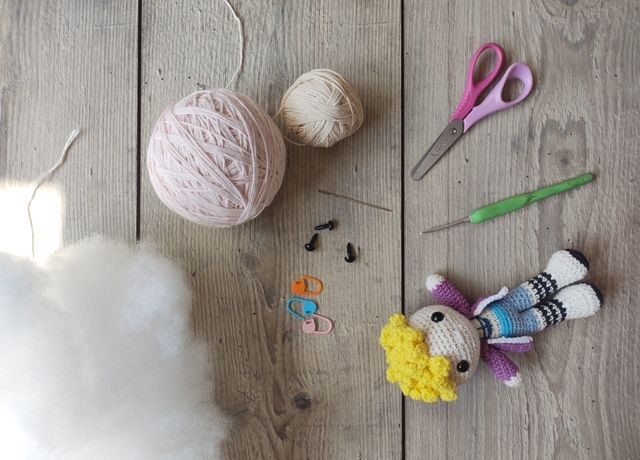
It is estimated that almost nine million Australians or 43 per cent of the population aged 15 and above create or assist in the creation of arts. This statistic is taken from Creative Australia’s national survey on the topic of artistic participation. It covers painting, music, craft and more, but it does not include crochet. However, this kind of handicraft definitely falls into the general definition of creating art. All you need is a hook, yarn and a quiet evening, and that might be the key to success.
An Old Craft and a New Crowd
Crochet was always present in Australian households in lace doilies, granny square rugs and baby bed spreads. For years this art seemed to be reserved for the old women’s sewing baskets only. But video tutorials, along with Homelea Lass crochet kits, allowed everyone to learn the skills without spending hours reading manuals. Finished pieces are shared through social networks and one chunky blanket is all it takes to inspire hundreds of attempts. Almost no equipment is required, lowering the entry barrier even more.
The Calmness of Repetition
There is something soothing about repeating a simple process over and over. Rows slowly go by, errors can be undone and corrected, and there is tangible evidence of the work done at the end of the evening. Rarely is there any modern job offering such a clear relationship between effort and product. A podcast with a crochet project is quite a good alternative to wasting an hour on random internet browsing. While crochet is not going to be your remedy against anxiety or replacement for professional therapy, it is a nice hobby next to other healthy activities and it gives you something tangible.
What a Good Kit Gets You Started?
Beginners are often stuck before even getting their first row on the hook, trying to decide between hook size, yarn weight and pattern. Kits make the process easier by including everything you need in one box, and they really do make a difference. You’re far more likely to pick up that first row with a chunky yarn under your fingers; big stitches are way more forgiving when things go wrong. Some sellers, like Homelea Lass, go the extra mile by including hooks, wool, patterns AND even video tutorials in their kits. When comparing kits, just check out those same points, plus whether the kit is suitable for beginners and if you’ll have to shell out extra for yarn.
Colour choice matters more than you might think; when you love the colours you’ve picked out, that project will stay with you for a lot longer. Of course there are some pitfalls to steer clear of; kits with not enough yarn or patterns that assume you’re way more skilled than you actually are can be real throw-offs. And if you’re buying a kit as a gift, make sure it’s a good match for the recipient’s skill level; you don’t want to discourage a newcomer with a pattern that’s more suited to a seasoned pro.
The Beauty of Imperfection
No one’s first project turns out perfectly, and that’s actually a good thing. Flaws and mistakes become a reminder of where your learning started; a twisted stitch or an uneven edge can be a badge of honour. Unravelling your work or “frogging”, as crocheters affectionately call it, is just part of the process. And honestly, giving up because you think your work is imperfect is more likely to kill your enthusiasm than struggling with a tricky bit of the pattern. So just allow yourself to be imperfect and let that keep you going.
From Sheep to Squares
These days, the source of yarn is becoming a big topic among makers. You’re probably aware that Australian merino is super soft, and natural fibres like wool have some unique benefits but also have drawbacks. On the other hand, synthetic yarns have their own strengths; they’re affordable, strong and easy to clean. Of course, there’s been some research which suggests that synthetic textiles can release tiny plastic fibres when you’re using or washing them, but how much depends on the specific material and how well you look after it. The packaging is also worth considering; if the wrapping is recycled or compostable, then that’s a definite plus for a craft that’s all about being slow and thoughtful.
Looking after your finished project can make it last a lot longer too. A little bit of gentle washing and a flat drying will keep wool items in good nick, and if you can mend a small hole with spare yarn, then that can easily add another year or two to its lifespan.
Making Time for It
Having a nice basket by the couch with a decent light source can make all the difference to getting started in the first place. And good light is essential; trying to crochet by the dim light of a table lamp can leave your eyes straining and make you miss dropped stitches. Taking short breaks and doing a few simple stretches will also help protect your hands, wrists and shoulders from the sorts of repetitive strain injuries that can really put a crimp in your crochet plans.
The Joy of Giving and Connecting
A handmade gift carries so much love and care with it; it’s got a weight and a value that a mass-produced item just can’t match. And giving someone a kit rather than a finished project lets them in on the fun of making something themselves. Crochet circles, library groups and online communities are all ways that beginners can share their mistakes and learn from each other; it’s one of the things that makes this craft so special, that people of all ages can get together and enjoy it.
The Real Price of Slow Making
Handmade items take a lot of time and effort, which is why they tend to be so much more expensive than mass-produced goods. And unfortunately, a lot of makers get that price wrong; they don’t factor in the hours and hours of time that go into making something by hand. But once you’ve learned the craft, you start to see the value in every single crocheted item that you see in a shop; it’s not just a pretty pattern, it’s the result of hard work and dedication.