In the fast-paced world of food service, every second counts. Restaurants and kitchens strive for efficiency to keep up with demanding customers and high-volume orders. Enter commercial ovens—powerful machines designed not just to cook but to revolutionize kitchen operations. These culinary workhorses have transformed how chefs prepare meals, ensuring that quality is never compromised even during peak hours.
As kitchens evolve, so do their tools. The right oven can drastically cut cooking times while enhancing flavors and textures. From bustling restaurants to catering companies, understanding the role of commercial ovens is essential in maximizing productivity and delivering exceptional dining experiences.
Let’s delve into how these sophisticated appliances support faster kitchen operations and why they are indispensable in today’s culinary landscape.
The Importance of Efficiency in the Food Industry
Efficiency in the food industry is crucial for success. With increasing competition, restaurants must streamline operations to stay ahead. Time wasted can lead to lost customers and revenue.
A well-organized kitchen operates like a finely tuned machine. commercial ovens can contribute to efficient cooking by providing consistent performance and helping kitchens manage busy service periods. Every step, from prep work to plating, requires precision and speed. Efficient processes minimize delays, ensuring that dishes reach diners promptly.
Food wastage is another concern tied closely to efficiency. By optimizing cooking methods and inventory management, kitchens can reduce spoilage while maintaining quality. This not only saves money but also supports sustainability efforts.
Moreover, an efficient kitchen environment boosts staff morale. When employees know their tasks flow seamlessly, they feel empowered and motivated to deliver their best work every day. High efficiency leads to satisfied customers who return for more delightful meals crafted with care.
The Evolution of Commercial Ovens
Commercial ovens have come a long way since their inception. Early models were rudimentary, relying on wood or coal as heat sources. These methods were time-consuming and often inconsistent.
The introduction of gas ovens marked a significant turning point. Chefs found they could cook food more evenly and quickly, revolutionizing kitchen operations.
Then came electric ovens, offering even greater precision in temperature control. This innovation allowed for various cooking techniques to be applied with ease.
Today’s commercial ovens boast advanced technology like convection heating and steam injection. These features enhance flavors while reducing cooking times significantly.
Moreover, smart oven technology is now emerging, allowing chefs to monitor cooking remotely through mobile devices. The evolution reflects an ongoing quest for efficiency and excellence within the culinary world.
Types of Commercial Ovens and Their Functions
Commercial kitchens utilize various types of ovens, each designed for specific cooking methods. Convection ovens are popular for their efficiency. They use fans to circulate hot air, ensuring even cooking and browning.
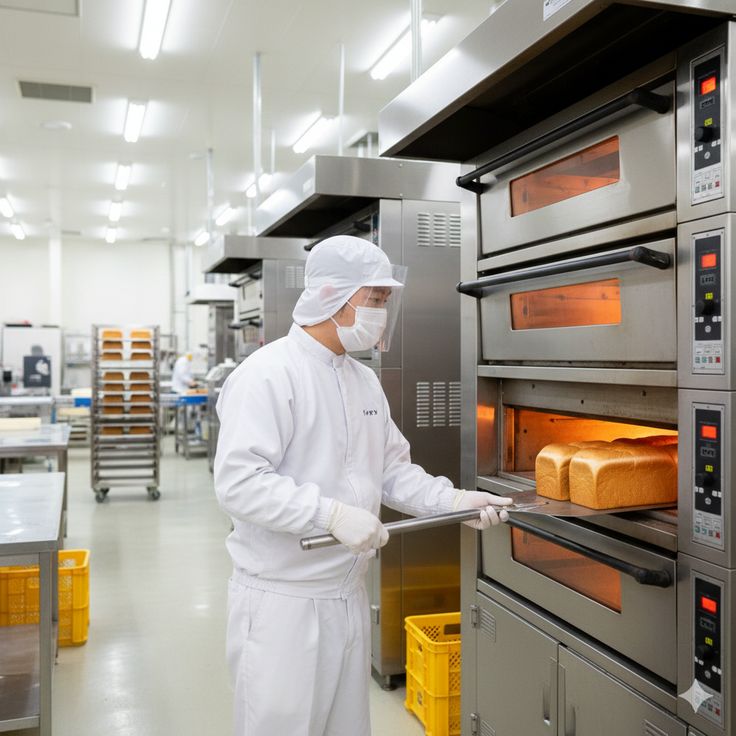
Then there are deck ovens, ideal for baking bread and pizza. Their stone or ceramic surfaces provide excellent heat retention, creating that perfect crust.
Combi ovens combine steam and dry heat, offering versatility in one unit. These are great for roasting meats while keeping them moist.
For high-volume operations, conveyor ovens shine by moving food through a continuous cooking process. This saves time without sacrificing quality.
Microwave convection ovens blend rapid heating with traditional baking techniques. This combination allows chefs to execute dishes quickly without compromising taste or texture. Each type serves a unique purpose in enhancing kitchen productivity.
Benefits of Using Commercial Ovens in a Kitchen
Commercial ovens are game changers in any kitchen. They bring speed to food preparation, allowing chefs to cook multiple dishes simultaneously without compromising on quality.
These ovens often feature advanced temperature controls and even heat distribution. This consistency means that every dish comes out perfectly cooked, enhancing the diner’s experience.
Energy efficiency is another significant benefit. Many commercial models are designed to use less energy while delivering powerful performance, which can lead to noticeable savings on utility bills.
Versatility is key as well. From baking and roasting to broiling and steaming, these ovens can handle a variety of cooking techniques with ease.
Their robust construction ensures durability under heavy usage conditions. Investing in a reliable commercial oven translates into long-term reliability for busy kitchens focused on productivity.
Proper Maintenance and Safety Measures for Commercial Ovens
Proper maintenance and safety measures for commercial ovens are vital for any kitchen aiming to operate efficiently. Regular cleaning is essential. Built-up grease can lead to fires or reduce the oven’s effectiveness. Schedule routine deep cleans to keep everything running smoothly.
Additionally, check temperature calibrations frequently. An inaccurate reading can result in undercooked or overcooked dishes, affecting customer satisfaction and food safety standards. Keep a log of these checks; it helps maintain consistency and accountability.
Safety measures should never be overlooked. Ensure that all staff members are trained on how to operate the ovens safely. This includes understanding emergency shut-off procedures and recognizing warning signs of malfunctioning equipment.
Investing time in proper maintenance not only prolongs the life of your commercial ovens but also enhances kitchen efficiency and promotes a safe working environment for everyone involved. By prioritizing care, you lay the groundwork for smooth operations daily, ultimately benefiting your business in both productivity and reputation.