
Imagine a world where every child’s name graces the pages of their very own storybook. A place where adventures come alive, starring them as the hero. Personalised books do just that—creating magical experiences tailored to each child’s unique identity and interests. The power of these customized tales extends beyond mere entertainment; they can ignite curiosity and foster a genuine love for learning.
As children see themselves in stories, they connect with the content on a deeper level, encouraging exploration and creativity. This innovative approach to storytelling transforms reading from a chore into an enchanting journey filled with wonder and excitement. Let’s delve deeper into why personalised books are not just delightful gifts but powerful tools for nurturing young minds.
Importance of Creating a Love for Learning in Children
Fostering a love for learning in children is crucial for their development. When kids enjoy the process of acquiring knowledge, they become lifelong learners. personalized learning books can make educational experiences more engaging and enjoyable for young readers.
A passion for discovery can lead to curiosity that extends beyond the classroom. It encourages them to ask questions and explore new ideas freely. This inquisitiveness helps solidify critical thinking skills essential in today’s world.
Moreover, when children embrace learning, they tend to perform better academically. Engagement leads to improved retention of information and greater enthusiasm towards subjects that might otherwise seem dull or challenging.
The emotional connection formed during these joyful learning experiences lays the groundwork for resilience. Children who love learning are more likely to overcome obstacles without losing motivation or interest.
Nurturing this natural desire creates an environment where education flourishes, turning challenges into opportunities for growth and exploration.
How Personalised Books Can Help Achieve This Goal
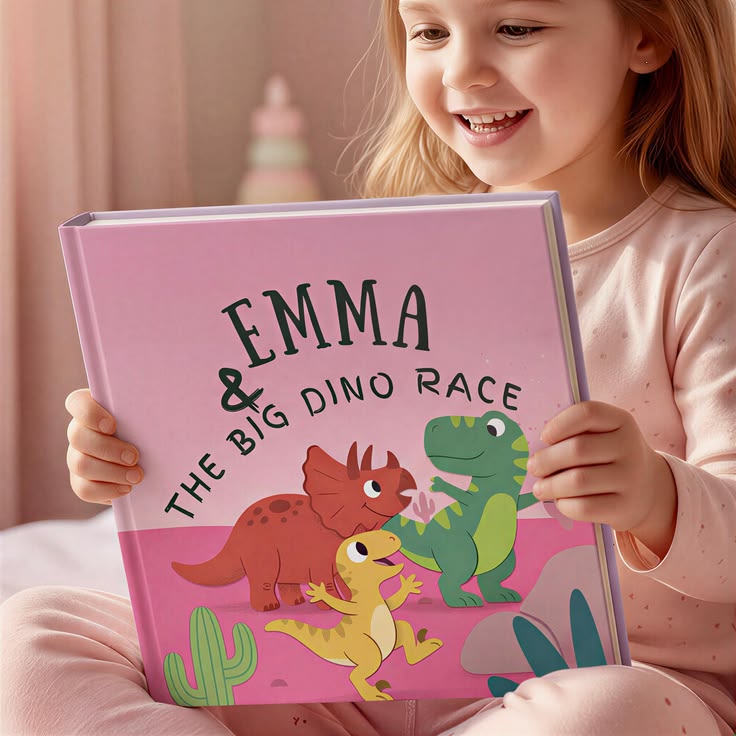
Personalised books create an immersive reading experience. When children see their names and familiar settings in stories, they feel a connection. This makes the narrative more engaging.
Their imagination is sparked, leading to deeper interest in learning. Personalisation allows kids to relate closely with characters and situations presented in the book.
These stories encourage critical thinking as children navigate challenges alongside protagonists they identify with. They recognize that learning isn’t just about facts; it’s also about understanding emotions and relationships.
Moreover, personalised content can cater to individual interests or hobbies. A child who loves dinosaurs will be thrilled by a story featuring them front and center.
This tailored approach fosters curiosity, making reading not just educational but also enjoyable. As enjoyment increases, so does the desire for further exploration through books and other subjects of interest.
Benefits of Personalised Learning over Traditional Methods
Personalised learning tailors education to the individual needs of each child. This approach acknowledges that every learner is unique, with different interests and paces of understanding.
Unlike traditional methods that often rely on a one-size-fits-all model, personalised books engage children by placing them at the center of the story. They become characters in adventures that resonate with their experiences or aspirations.
This involvement boosts motivation and encourages active participation. When children see their names and familiar scenarios in stories, they develop a deeper connection with reading.
Moreover, personalised learning fosters critical thinking skills. Kids are more likely to ask questions about a story where they can relate personally.
By promoting curiosity through relatable content, personalised books create an environment where children feel excited about exploring new ideas and concepts continuously.
Examples of Personalised Books and Their Impact on Children
Personalised books come in many forms, each tailored to captivate young minds. Consider titles like “The Little Engine That Could” or “Where the Wild Things Are,” reimagined with a child’s name woven into the story. These familiar narratives gain new life when kids see themselves as part of the adventure.
One example is “My Very Own Unicorn,” where children can insert their name and even select features for their unicorn companion. This not only sparks imagination but also encourages ownership of reading material, making it feel special and unique.
Research shows that children who engage with personalised stories are more likely to develop critical thinking skills and emotional intelligence. They relate better to characters facing challenges similar to those they encounter in real life.
Another great option is “The Magic of You,” which allows parents to include personal anecdotes about their child’s traits and experiences. When children recognize elements from their own lives within pages, learning becomes relatable and fun.
Such books aren’t just entertainment; they foster a sense of identity while teaching valuable lessons about resilience, empathy, and creativity.
Through these examples, it’s clear that personalised storytelling creates a bridge between education and enjoyment. Children who see themselves reflected in literature often become avid readers—curious minds eager for knowledge beyond what traditional methods may offer.