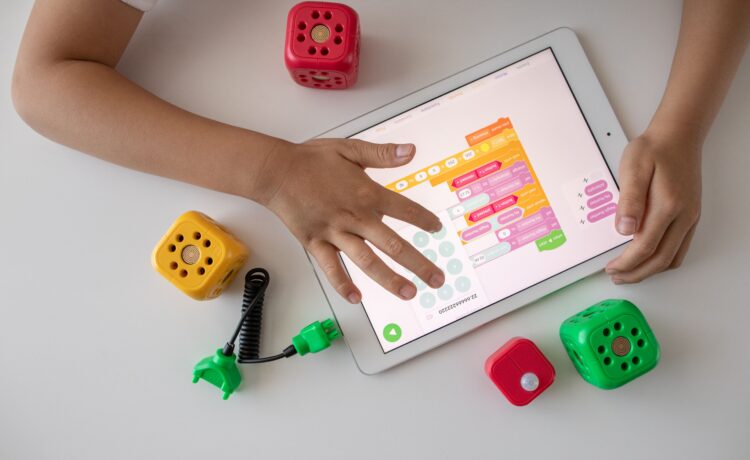
Navigating the world of child development can feel like a daunting task. With so many resources available, parents often find themselves wondering where to start. One powerful tool that has emerged in recent years is technology—specifically, educational apps designed to foster growth and learning in children.
These digital platforms offer interactive experiences that can engage young minds while making learning fun. However, with countless options at your fingertips, how do you choose the right app for your child’s unique developmental journey? Join us as we explore the significance of technology in education and provide insights on selecting an app that aligns with your child’s needs and interests. Together, we’ll unlock the potential of these digital tools!
The Importance of Technology in Child Development
Technology has transformed the landscape of child development in remarkable ways. It opens doors to interactive learning experiences that were once unimaginable. Children today can explore concepts through best child development app tools and games, making education more accessible and engaging.
Early exposure to technology can enhance cognitive skills. Kids learn problem-solving by navigating challenges within educational apps. They develop critical thinking as they interact with digital content tailored to their interests.
Moreover, technology encourages collaboration among peers. Many applications allow children to work together on projects or compete in friendly challenges, fostering social skills and teamwork.
Additionally, these tools offer personalized learning paths. Parents can select programs that align with their child’s pace and preferences, ensuring a customized experience that caters to individual strengths and weaknesses. This adaptability is key in nurturing lifelong learners who are curious about the world around them.

Factors to Consider When Choosing an App for Your Child
When selecting an app for your child, think about their age and developmental stage. Not all apps are designed with the same audience in mind. Choose something that matches their skills and interests.
Next, consider the educational value of the app. Does it promote learning? Look for features that encourage critical thinking or creativity rather than just passive consumption.
User interface matters too. A simple, intuitive design helps kids navigate without frustration. A cluttered screen can distract them from engaging fully with the content.
Don’t forget to check reviews from other parents and educators. Their insights can provide a clearer picture of what to expect.
Think about how you will integrate this tool into your child’s daily routine. Balance is key—technology should complement activities like reading or outdoor play rather than replace them.
Top Apps for Early Childhood Development
When it comes to early childhood development, apps can be a fantastic tool for learning. These interactive platforms stimulate creativity, enhance cognitive skills, and promote language development.
One standout option is “Endless Alphabet.” This app introduces children to new vocabulary through animated characters and engaging puzzles. Kids not only learn words but also understand their meanings in a fun way.
Another great choice is “ABCmouse.” It offers a comprehensive curriculum tailored for preschoolers. With games covering math, reading, art, and music, this app keeps young minds engaged while they explore various subjects.
“Play & Learn Science” by PBS KIDS encourages curiosity about the natural world. Children can engage in experiments that foster critical thinking skills.
These apps make learning enjoyable and accessible. They transform screen time into an enriching experience that supports your child’s growth during those crucial formative years.
Interactive and Educational Gaming Apps for Older Children
As children grow, their learning needs evolve. Interactive and educational gaming apps cater to this change, making education engaging and fun. These apps combine elements of gameplay with valuable lessons in subjects like math, science, and language.
Games that promote critical thinking or problem-solving skills are particularly beneficial. They encourage kids to strategize while having a good time. This method not only enhances cognitive abilities but also fosters teamwork when played with peers.
Some popular options allow children to explore history through immersive storytelling or experiment virtually with scientific concepts. The blend of entertainment and education keeps kids motivated.
Parents can find peace of mind knowing these platforms often include progress tracking features. This allows them to stay involved in their child’s development journey while ensuring the content is age-appropriate and enriching.
Parental Controls and Safety Measures
As you navigate the vast world of educational apps, prioritizing safety is crucial. Many platforms offer parental controls to help manage your child’s online experience. These features can limit screen time and restrict access to certain content, ensuring a safer environment for exploration.
Familiarize yourself with the app’s privacy policies. Look for those that don’t collect unnecessary personal information from children or share data with third parties. Reading reviews can also provide insight into how other parents perceive an app’s safety measures.
Engaging in conversations about online safety with your child is vital too. Discuss what they encounter while using these apps and encourage them to ask questions if something feels off. This approach fosters open communication and builds their confidence in navigating technology responsibly.
By selecting apps equipped with robust parental controls and staying actively involved in your child’s digital experiences, you contribute significantly to their development journey while keeping them safe.