Tattoos can be a beautiful expression of art and individuality, but what happens when that ink no longer feels like you? Whether it’s an ex-lover’s name or a design that just didn’t age well, the desire for tattoo removal is more common than you might think. The journey to erase unwanted tattoos isn’t as daunting as it seems. With advancements in technology and various methods available today, many people are finding relief from their past choices.
Curious about how tattoo removal works and what results to expect? This guide will take you through each step of the process. From understanding the different methods available to real-life before-and-after photos, you’ll gain valuable insight into your options for reclaiming your skin—and perhaps your confidence too!
Different Methods of Tattoo Removal
how different skin tones and ink colours influence tattoo fading results,Tattoo removal has come a long way from the days of painful scrubbing and skin grafts. Today, several methods cater to different needs and skin types.
Laser removal is among the most popular choices. It uses concentrated light beams to break down ink particles in the skin. This method is effective but may require multiple sessions for significant results.
Another option is dermabrasion, where a rotating device sands down the top layers of skin. While it can be effective, this method often comes with more discomfort and longer recovery time.
Chemical peels offer another avenue by applying acids that encourage exfoliation and fade tattoos over time. However, they might not work on all colors or designs.
Surgical excision involves cutting out the tattooed skin entirely. It’s suitable for smaller tattoos but leaves scars that need attention afterward. Each approach has its pros and cons; knowing them helps make informed decisions about tattoo removal options.
Factors that Affect the Results of Tattoo Removal
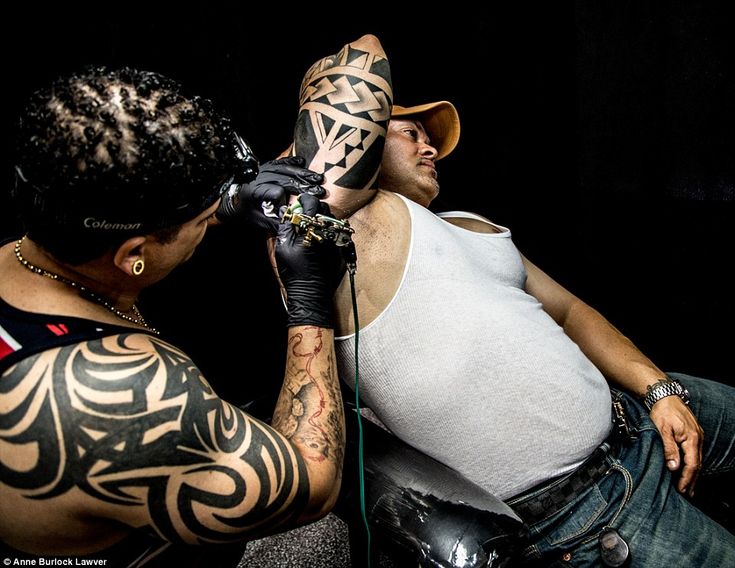
Several factors influence the effectiveness of tattoo removal. One major element is the ink type. Different pigments respond differently to removal methods. Dark colors, like black, generally fade quicker than lighter shades.
The size and age of the tattoo also play a role. Larger tattoos often require more sessions for complete removal, while older tattoos may be easier to eliminate due to fading over time.
Skin type matters too. Individuals with fair skin usually experience better results compared to those with darker complexions. The body’s healing response can vary widely among people, affecting how well they react to treatment.
Aftercare significantly impacts outcomes. Following post-treatment instructions helps minimize complications and promotes faster healing, leading to improved results in less time.
Step-by-Step Guide on What to Expect During and After Tattoo Removal
Tattoo removal starts with an initial consultation. You’ll discuss your tattoo, medical history, and expectations. This step is crucial for understanding the best approach.
During the procedure, you might feel a sensation similar to snapping a rubber band against your skin. The length of each session varies based on tattoo size and method used.
After treatment, expect some redness and swelling in the area. These symptoms typically subside within a few days. Keeping the treated area clean and moisturized aids healing.
As time goes by, you’ll notice gradual fading of your tattoo. Multiple sessions are often needed for optimal results—patience is key here.
Be prepared for potential side effects like blistering or scabbing; these are part of the process but should resolve without complication if cared for properly. Regular follow-ups will help track progress as you move toward clearer skin.
Before and After Photos of Real Tattoo Removal Results
Seeing is believing, and nothing showcases the effectiveness of tattoo removal quite like before and after photos. These images tell a powerful story about transformation and renewal. They highlight the journey many undergo to reclaim their skin from tattoos that no longer resonate with them.
In these comparisons, you can observe varying degrees of fading based on factors such as ink color, skin type, and chosen removal method. Each photo reflects individual experiences and outcomes, showing how unique each tattoo removal process can be.
Many people begin their removal journey filled with hope but also uncertainty. The visuals serve as both motivation and reassurance—they offer a glimpse into what’s possible. It’s important to remember that results may vary widely depending on personal circumstances.
When looking at these images, it becomes clear how much patience plays a role in achieving desired results. Some individuals may need several sessions for optimal clearance while others might see dramatic changes more quickly.
These before and after snapshots provide not just evidence of progress but also inspire those contemplating the procedure. They remind us that change is achievable—with determination—and every step forward counts towards reclaiming one’s identity through skin restoration.