
Tattoos can be a beautiful expression of art, identity, and memories. However, what happens when those once-cherished designs no longer resonate with who you are? Whether it’s an impulsive decision made in your youth or simply a style that has faded over time, the desire to remove a tattoo is more common than you might think. Enter laser tattoo removal—the modern solution that’s changing the game for countless individuals looking to reclaim their skin. This procedure offers not just hope but also remarkable results that can help restore confidence and ease regret. Curious about how this process works and its many benefits? Let’s delve deeper into the world of laser tattoo removal!
The process of laser tattoo removal
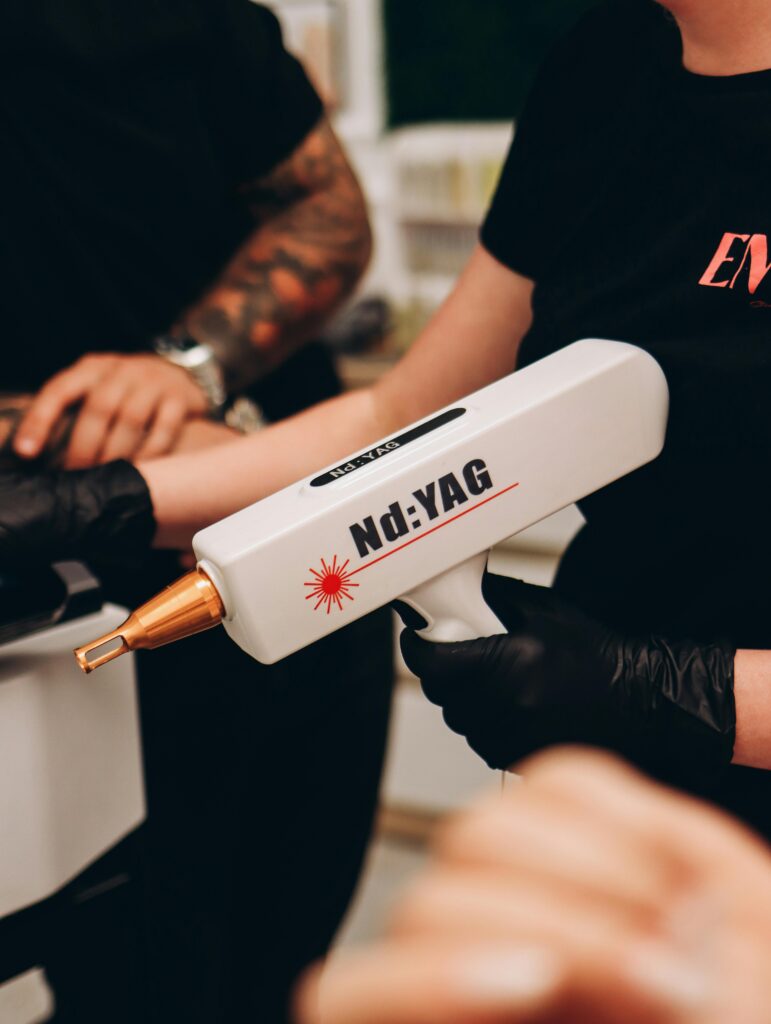
Laser tattoo removal involves a series of precise treatments aimed at breaking down ink particles in the skin. During each session, a specialized laser targets the tattooed area without damaging surrounding tissue.
As the laser passes over your skin, it emits short pulses of light. This energy is absorbed by the ink, causing it to shatter into smaller pieces. The body’s immune system then works to eliminate these fragments naturally over time.
Typically, multiple sessions are required for optimal results. Factors like ink color and your skin type can influence how quickly the tattoo fades.
Patients often experience minimal discomfort during treatment, similar to a rubber band snapping against the skin. Afterward, some redness or swelling may occur but usually subsides quickly.
Thanks to modern technology, many clinics now provide cooling systems or numbing creams to enhance comfort during treatment. If you’re researching your options, a detailed laser tattoo removal melbourne blog can offer helpful insights into what to expect, preparation tips, and how to choose a reputable clinic for safe and effective results.
Benefits of laser tattoo removal
Laser tattoo removal offers numerous benefits that extend beyond skin deep. One of the most significant advantages is its efficiency. The procedure can effectively fade or eliminate unwanted ink in just a few sessions, making it a quicker option than traditional methods.
Another key benefit is the precision of laser technology. It targets only the tattoo pigment while leaving surrounding skin unharmed. This minimizes scarring and promotes faster healing times compared to other removal techniques.
Moreover, many clients appreciate the customizable nature of laser treatments. Professionals tailor each session based on factors like ink color and skin type, ensuring optimal results for diverse tattoos.
Cost-effectiveness also comes into play; as you often require fewer treatments than with alternative solutions, this approach can save you money in the long run. Access to advanced technology means better outcomes overall, allowing individuals to reclaim their skin without compromise.
Safety and effectiveness of laser tattoo removal
Laser tattoo removal is known for its safety and efficiency. The technology has advanced significantly, making it a top choice among removal methods.
The procedure uses high-intensity lasers to target ink particles beneath the skin. These lasers break down the ink into smaller fragments that the body can naturally eliminate over time.
Patients often report minimal discomfort during sessions, with many describing it as feeling like a rubber band snapping against the skin.
Proper aftercare is essential to minimize side effects such as swelling or redness, but complications are rare when performed by skilled professionals.
Research indicates that multiple sessions may be necessary for complete removal, depending on various factors including ink color and depth of application.
With certified practitioners using state-of-the-art equipment, laser tattoo removal remains one of the most reliable options available today.
Factors that can affect the success of laser tattoo removal
Several factors can influence how successful laser tattoo removal will be. One primary consideration is the age of the tattoo. Older tattoos are often easier to remove, as they have faded over time and may not penetrate the skin as deeply.
The type of ink used in your tattoo also matters. Certain colors respond better to laser treatment than others. For example, black ink typically absorbs all wavelengths of light, making it easier to treat compared to more vibrant colors like green or yellow.
Skin type plays a significant role too. Individuals with lighter skin tones tend to see quicker results because there’s less melanin pigmentation that can absorb the laser energy intended for the ink. Conversely, darker skin might require additional caution during treatment due to a higher risk of hyperpigmentation or scarring.
The size and location of the tattoo should not be overlooked either. Larger tattoos generally take more sessions for complete removal than smaller ones do; likewise, locations on the body with thicker skin might require different approaches compared to those where skin is thinner.
Individual healing responses vary from person to person. Factors such as overall health and lifestyle choices—like smoking or sun exposure—can impact recovery times and effectiveness after each session.
Understanding these influences can help set realistic expectations and prepare you for your journey toward achieving clear skin once again.