When it comes to roofing materials, few options can rival the beauty and durability of slate. These stunning stones have graced the tops of homes for centuries, offering a unique blend of elegance and resilience. If you’ve recently invested in a slate roof or are considering making the switch, understanding how to care for it is essential. A well-maintained slate roof not only enhances your home’s curb appeal but also protects it from harsh weather conditions.
Let’s dive into the world of slate roofs. We’ll explore their benefits, common issues that may arise, and practical maintenance techniques to keep your roof looking its best for years to come. Whether you’re a proud homeowner or just curious about this timeless material, there’s plenty to learn about keeping those beautiful slates in tip-top shape!
Benefits of a Slate Roof
Slate roofs are renowned for their stunning aesthetics. They offer a timeless elegance that enhances the curb appeal of any home. Each slate tile is unique, showcasing natural variations in color and texture.
Durability is another key advantage. A well-installed slate roof can last over a century with minimal maintenance. This longevity means fewer replacements, saving homeowners time and money. Check out australian slate roofing guide for more informations about Slate roofing.
Additionally, slate has impressive fire-resistant properties. It doesn’t burn easily, providing an added layer of safety against wildfires or stray embers.
Energy efficiency also comes into play. Slate roofs help regulate indoor temperatures by keeping homes cooler in summer and warmer during winter months.
They are eco-friendly materials sourced from natural stone. When it’s time to replace your roof, slate tiles can often be recycled or reused, minimizing environmental impact while adding charm to new constructions.
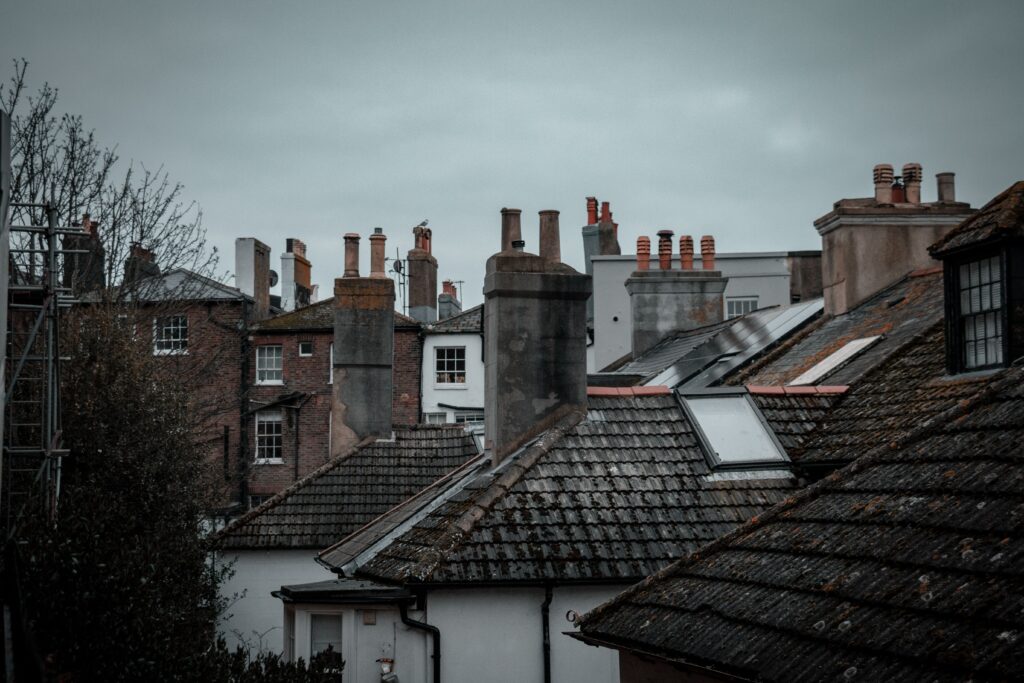
Common Problems Faced by Slate Roofs
Slate roofs, while durable and elegant, can encounter specific issues over time. One of the most common problems is cracking. Extreme temperature fluctuations can cause slate tiles to expand and contract, leading to fractures.
Another concern is slipping tiles. Heavy winds or inadequate installation may dislodge slates from their original position. This not only affects aesthetics but also exposes underlying layers to potential water damage.
Moisture infiltration can be a significant issue as well. When cracks or gaps appear, rainwater might seep through, creating leaks in your home’s interior.
Moss and algae growth can occur on shaded areas of the roof. While they may seem harmless initially, these organisms retain moisture against the slate surface which could contribute to more serious deterioration over time. Regular inspection helps catch these problems early before they escalate into costly repairs.
Proper Maintenance Techniques for a Slate Roof
Proper maintenance of a slate roof begins with regular inspections. Check for loose or broken slates, as even a small crack can lead to bigger issues.
Cleaning the roof is essential. Gently remove debris like leaves and moss using a soft broom or blower. Avoid power washing; it can dislodge slates and damage the surface.
Pay attention to flashing and joints where water might seep in. Ensure these areas are intact to prevent leaks that could compromise your home’s integrity.
If you notice any damaged slates, replace them promptly. It’s crucial to use matching materials for seamless repairs.
Consider scheduling professional assessments every few years. Experienced roofers can spot potential problems before they escalate into costly repairs.
Ensure gutters are clear so rainwater flows freely off the slate surface, reducing unnecessary wear over time. Regular upkeep will extend your slate roof’s lifespan significantly.
Tools and Supplies Needed for Slate Roof Care
Taking care of a slate roof requires the right tools and supplies. Having the appropriate equipment can make maintenance easier and more effective.
Start with a sturdy ladder. This is essential for safely accessing your roof. Make sure it’s tall enough to reach your highest points without being unstable.
A set of gloves is also important. Slate can have sharp edges that may cause cuts or scrapes, so protect your hands while working.
You’ll need a broom or brush for clearing debris like leaves and twigs from the surface and gutters. A soft-bristle brush works best to avoid damaging the slate tiles.
For repairs, keep some roofing cement on hand. This will help seal any small cracks or gaps in the slates. You might also want to invest in replacement tiles if you notice damage during inspections.
Consider having safety gear such as goggles and harnesses when working at heights. Safety should always be a priority when performing any maintenance tasks on your slate roof.
With these tools, you’ll be well-equipped to take care of your slate roof effectively!