
Autism is defined by patterns of social communication, behaviour, interests and sensory experience, however real lives are not cleanly defined by a short list. Characteristics may look different depending on age, language, environment, culture, learning and coping methods. Thus a comprehensive diagnostic method searches for consistent data across development and situations and rules out other hypotheses. The idea is not to rack up qualities as rapidly as possible. It is to comprehend the person well enough to arrive at a defensible judgement, to explain uncertainties and to generate practical advice for everyday life in diverse circumstances and at different stages of life.
Develop a picture
Families can access Autism Spectrum Disorder Diagnostic Assessment. Usually it begins with early development, communication, play, relationships, routines and sensory reactions. Clinicians also examine the evolution of these traits as expectations increased. No family remembers every milestone completely, but early records and carer memories can provide context. You are not looking for a perfect historical record, you are looking for a meaningful trend.
Using standardised tools within clinical judgement
Consistent evaluation can be helped by structured interviews, observations and questionnaires but scores don’t diagnose a person alone. The results should be considered in connection to the age, abilities and conditions of the examination. A child who is apprehensive, overpracticed or exceptionally comfortable in one place may look different another. Professional judgement links the instruments to the wider evidence base and discusses any limitations.
Consider alternate and overlapping explanations
Social communication and behaviour may be affected by attention challenges, anxiety, linguistic differences, intellectual disability, trauma, and other developmental or mental health factors. Certain conditions co-occur with autism, and some may be more useful in accounting for certain issues. The assessment should include these options and not as mutually incompatible boxes. This enables recommendations to fit the person’s real needs even in a complex diagnostic picture.
Identify strengths and compensation
Some people hide their differences, consciously or unconsciously, especially in structured environments. They may copy classmates, rehearse discussions or run the school day at huge personal expense. Strengths in language or learning might also mask support needs. A fair appraisal takes into account what the person can perform, and how much effort, stress or preparation is needed. This way ability in one area will not cancel out real difficulty in another.
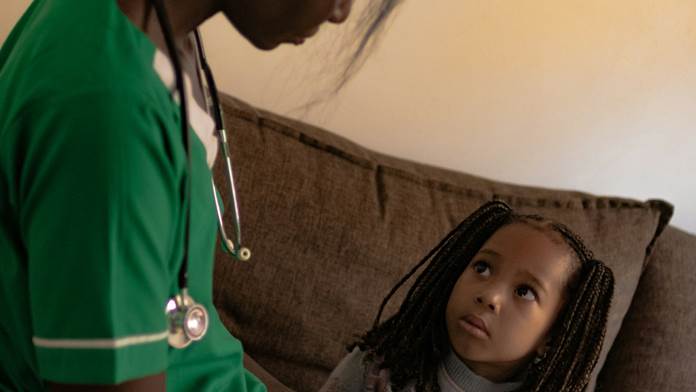
Translate insights into practical advice
A diagnostic conclusion is most effective when the report describes the facts and links it to support at home, school, job, or in the community. recommendations should be about priorities and services offered and not a generic list. Families and people deserve the chance to ask enquiries and to address factual mistakes. Diagnosis can offer clarity, but the interpretation of results and planning of next measures have to be performed by experienced doctors on an individual basis.