No longer is the outdoor area of a Melbourne cafe just an amenity for the summer period. Clients have gotten used to the alfresco offering, owners have embraced the footpath and parklet solution, and the issue is no longer whether there should be an alfresco area available but whether the existing outdoor section is being utilised efficiently. Furniture selection, permit compliance, and spatial arrangement of the alfresco area are now practical questions.
The result for cafe outdoor furniture Melbourne operators is that outdoor furniture is now infrastructure that needs to perform year-round, meet permit conditions consistently, and look considered rather than improvised.
What Melbourne’s Climate Demands From Outdoor Materials?
Melbourne’s outdoor furniture has to deal with a whole heap of different conditions; UV bleaching in summer, rain hammering down in autumn and spring, cold winters, and those sudden southerly winds that can drop temperatures right out of the blue mid-service. You can’t just pick one material and expect it to cope with everything that Mother Nature throws at it.
In order to comprehend the magnitude of the change that has occurred, it is important to take a look at its origins. The 2020-2021 outdoor dining expansion program carried out by the City of Melbourne resulted in adding about 18,000 seats to about 1,500 hospitality venues in the city. The program was introduced in order to help the hospitality venues to survive under the conditions of restrictions and to make the reopening profitable for them.
Powder-coated steel and aluminium frames are a whole lot better than raw metals when it comes to corrosion and UV resistance in Melbourne’s climate. And when it comes to timber tops used outdoors, you need to make sure they’ve got some decent weatherproof coating or seal on them, and the type of timber you choose is super important too:
- Hardwoods with some natural oils in them, like spotted gum or merbau, are going to be a lot better at resisting surface damage in exposed areas than softwoods.
- Engineered timber that’s been properly sealed up, especially the edges, tends to do a lot better at keeping moisture out than solid timber with all the end grain exposed.
- Being able to stack the furniture is a pretty important consideration for most outdoor Melbourne settings, or at least being able to move it inside or stash it in a storage area when the weather gets really bad.
City of Melbourne Permit Conditions and What They Mean for Furniture Decisions
If you’re planning to do some outdoor dining on Melbourne’s footpaths and streets, you’ll need to get a permit under the Activities Local Law 2024. But what you may not know is that the permit conditions are way more detailed than you might think; furniture sizes, pedestrian clearance widths, and the types of temporary structures like umbrellas, barriers and planter boxes you can have in the approved zone.
The way the permit fees are structured, with a fee per square metre, means that you’ve got a real incentive to get your furniture layout just right so you can squeeze in as many seats as possible within the allowed footprint. And then there’s the risk of getting hit with a compliance issue from the council if your furniture is poking into the pedestrian zone or you’re not keeping enough clearance, but that’s entirely avoidable if you just take some accurate measurements and get the furniture spec right from the get-go.
Cafe Barriers and Planter Boxes as Spatial Design Tools
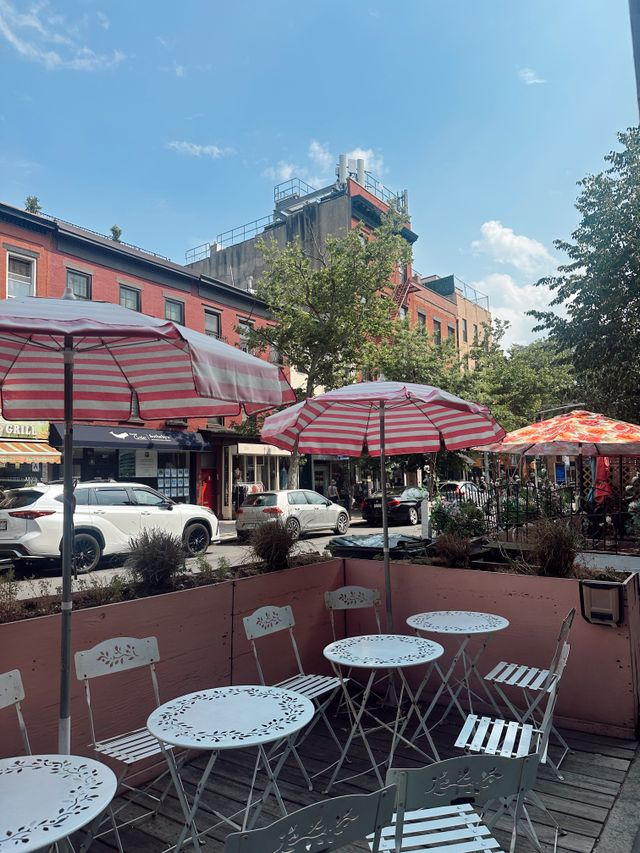
The permit conditions usually require you to put some kind of barrier in place to separate the dining area from the footpath, and that’s when cafe barriers come in handy. But here’s the thing; you can use them for more than just compliance. A well-designed barrier can create a sense of organisation that makes outdoor dining feel like it’s meant to be, rather than just a bunch of tables plopped out in the middle of the footpath.
And if you stack the planter boxes in with the barriers, you get to add some greenery to the space without eating into your usable furniture footprint. Plus, the visual quality of the outdoor space is going to be a lot better if you get the barriers and planters right; it’s all about how it looks to a customer walking past on the street.
Fixed vs Portable: How Melbourne Operators Are Deciding
If you’re going to be in the footpath permit game long haul, you might find that setting up some permanently fixed outdoor furniture is the way to go. It gives you a bit of a high-end look from the street, and it tells customers that you’re a serious operation. On the other hand, if you’ve got portable aluminium or foldable furniture, you can quickly move it inside when things get wet and miserable, or configure the space differently depending on what type of service you’re doing.
The good news is that Melbourne’s outdoor dining culture is all about using the outdoor space year-round, not just in summer. And if you get your furniture set up right, you’ll be able to attract customers across a whole lot more of the year than you might have otherwise. Which is all the more reason to invest in some quality materials, even if you’re not convinced that the outdoor area is your main money maker.