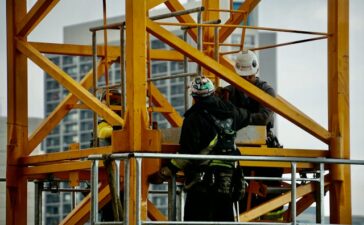
Industrial sites move fast and have many risks, so sharing the right skills at the right time decides job results and safety. Old style lessons help, but these slow systems do not fit with today’s busy and changing factories or plants. Many jobs now train workers away from real machines and long before staff will ever meet real problems, so memory loss or mistakes often happen. Industry brings in new tech, harder rules, and runs with smaller teams, which means workers need training that reacts fast to their real job. This is where Just-in-Time (JIT) training steps in, offering a clear, practical way to teach skills when and where workers need them. Just-in-Time training means each lesson or tip comes at the exact moment a worker must complete the job step. It is not cutting training away, but rethinking the timing and location for each learning piece. For instance, a gas test worker in Australia will not remember everything from a class months ago, but will work safer if they get short, clear steps right before a risky test. Australian sites now use rapid lessons or small gas testing course Perth modules before a job, which match safety needs, work skills, and legal rules with day-to-day tasks.
Contextual Relevance: Bridging Theory with Practice
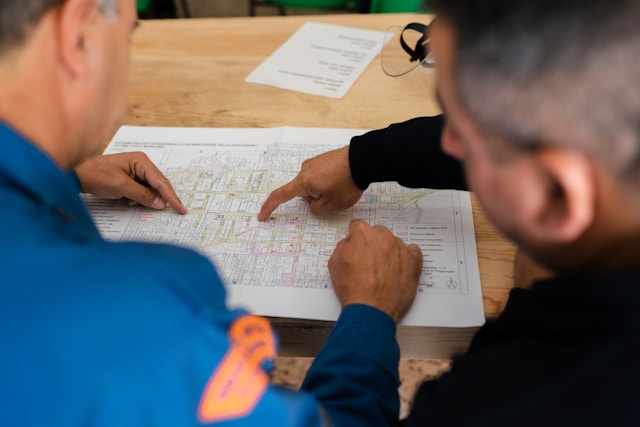
JIT shines because it matches real work, not far-off theory in a class. Lessons given at the right moment help workers tie learning to the exact job they must do. This hands-on result is easier to stick in memory and shows how the work should look. A person fixing a high-voltage switch might open a short guide for only that tool, dropping mistakes possible if information is hidden in big books. Workers only focus on steps that matter now, as the lesson is simple and fits the real job’s needs. High-risk jobs need this kind of training the most, as errors can cause huge problems. Mining, oil, gas, and factory sites must update their rules all the time, so JIT lets leaders change lessons without pulling all staff away for big group meetings. This keeps learning linked to working and makes sure job flow is smooth, not lost to more training hours.
Technology as an Enabler of Real-Time Learning
JIT progress depends on smart, digital tools set up on the work site. Phones, tablets, and new tech, like AR helmets or QR code lessons can give workers up-to-date guides without walking off the floor. Australian industry employers are using mobile platforms that push step-by-step help, repair guides, or mini lessons to workers’ devices in seconds. Such tools build a work site where good info is always ready and easy to find. Smart glasses or AR headwear can show guides, move-by-move, on top of the real machine, so staff see the right steps for the equipment in hand. These systems cut the need to trust only memory and stop mistakes in routine or complex jobs. Digital usage stats also let companies see what training is needed more or where problems pop up.
Adapting Content for Microlearning and Accessibility
To work well, JIT content must be short and easy to use, not like old long classroom lessons. Microlearning cuts training into small topics, no longer than five minutes, so workers pick up one skill or rule at a time. Many lessons now mix text, pictorial steps, videos, or even on-screen practice. Content must serve all roles and fit all worksite locations in an industry. Mobile-first design means staff check lessons on phones, and material downloads fast, even without internet. Navigation must be clear, including for those who read less English, so design respects different language needs. With simple, strong content modules, firms ensure team members grab what they need right when needed, making sites safer and work smoother.

The Role of Supervisors and Peer Learning
Even with much tech, the job leader or supervisor is still needed to support JIT. Supervisors direct teams to smart resources, remind staff to train, and check work as the task is done. When workers help each other or share tips onsite, peer learning grows without planning. In Australia, teamwork and mixed site set-ups mean small advice from supervisors or older staff can fix risks or fill in new skills right on the spot. Supervisors watch, step in if needed, or guide live, so site work does not stop and job steps keep going. JIT becomes more than a lesson, it creates a team habit where learning sinks into daily site life and work moves on together.